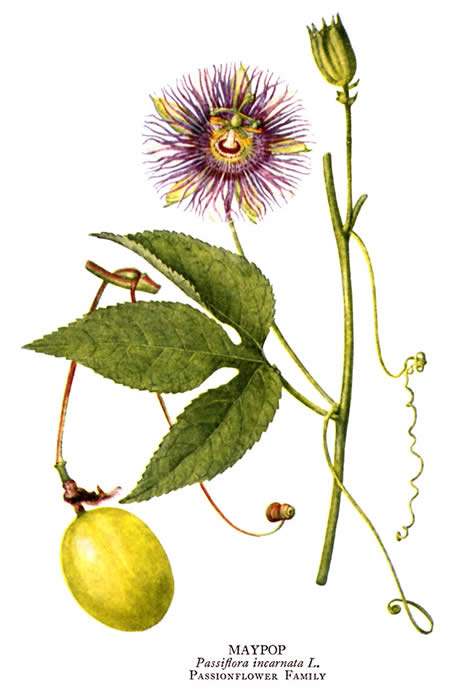
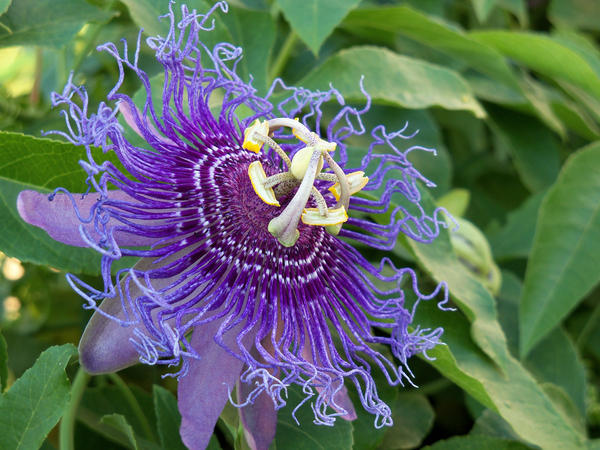
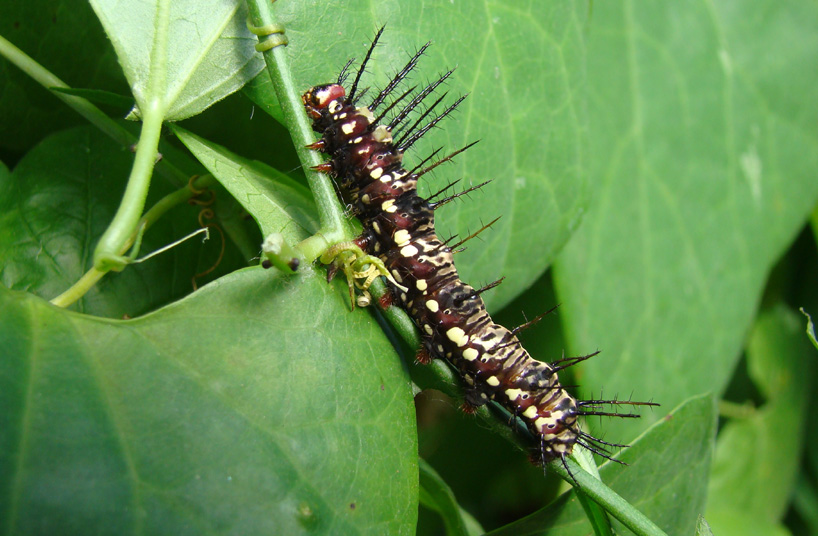
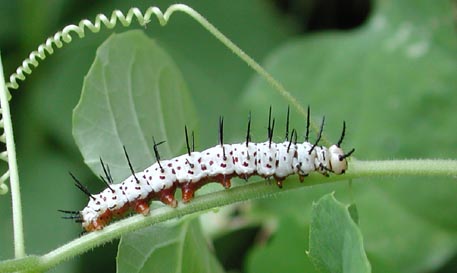
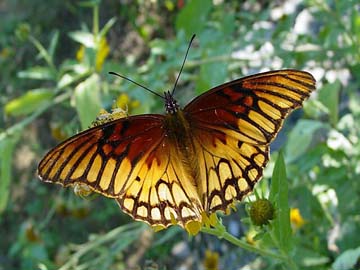
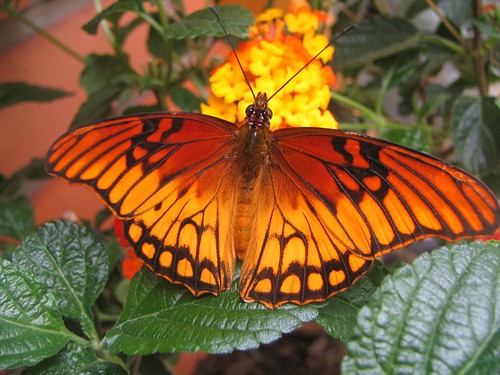
The Maypop (Passiflora incarnata,that I recently wrote about in this post) is the primary host plant for a few butterfly species in North America. Growing up in South Florida, I distinctly remember both the passion flowers (although I still am not sure if they were Passiflora incarnata or other closely related species that need the more tropical weather of southern Florida) and a few of these butterflies. But I did not know how closely their lives intertwined. I am always amazed at the beauty of God's creation as seen in the wide variety of plant and animal species.
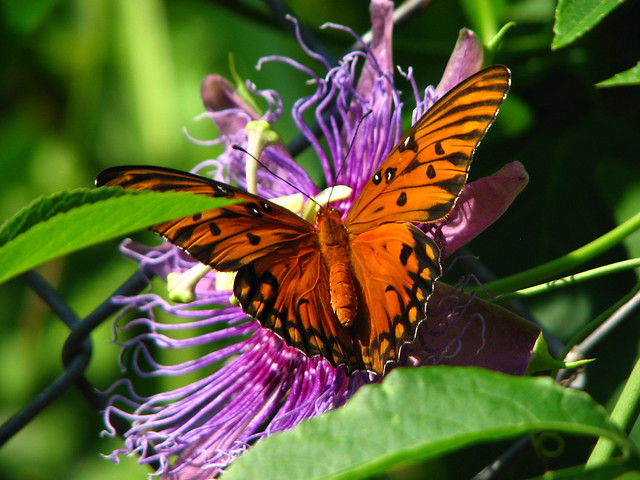
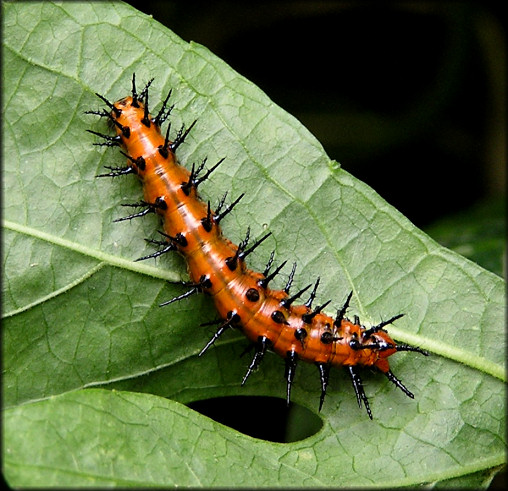
Gulf Fritillary (aka Passion Butterfly) Agraulis vanillae
Uses the Maypop for food (leaves) as a caterpillar and food (nectar) as adults.
Gulf Fritillary (aka Passion Butterfly), Agraulis vanillae, on a Maypop flower.
Description:
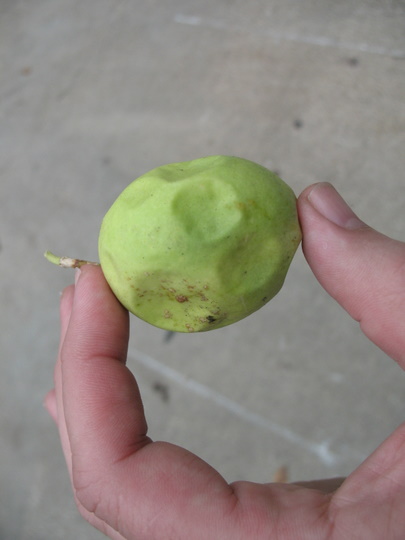
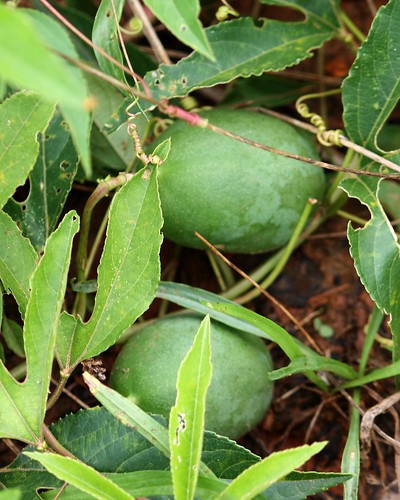
Maypops are one of the most cold hardy of all Passionfruit species. This herbaceous vine is vigorous, produces stunning flowers, and has a tropical tasting fruit... yet it can be grown throughout most of the U.S. The 2-3 inch (5-7.5 cm) fruit has a size and taste very similar to its close cousin, Passion Fruit.
History:
A native to eastern North America and a food source for Native Americans as well as European settlers. Very little agricultural improvement has been conducted with this plant, and it is often found growing wild today.
The Cherokee in Tennessee named it ocoee, and the Tennessee Ocoee River and Ocoee Valley are named after this flower.
The Maypop is the State Wildflower of Tennessee.
While this plant does have perfect flowers (contains both male and female
parts), many of the flowers are functionally male – the female parts have
atrophied or grow in a way that will never allow fertilization. This means that
not all flowers will set fruit. The Maypop will change the number of female
flowers it produces throughout the growing season based on the growing
conditions.
This plant has long been used as a symbol of Christianity and the Passion of
Christ (hence the Family name):
- 10 petals (5 true petals and 5 petal-like sepals) represent the 10 apostles
at the crucifixion
- The purple/pink corona represents the crown of thorns
- The 5 stamens represent the 5 wounds of Christ (wrists, feet, one in the side)
- The 3 styles represent the 3 nails used on Christ
- The tendrils represent the whips used to scourge Christ
- The three-lobed leaves also represent the Trinity (Father, Son, Holy Spirit)
Each flower only lasts about one day
The flowers have a lemony aroma
The Maypop's name has been reported to have two meanings: 1) it "pops" up in May rather quickly, 2) while it shoots up in May, the ripe fruit that drops can make a loud "popping" sound if you accidentally step on them.
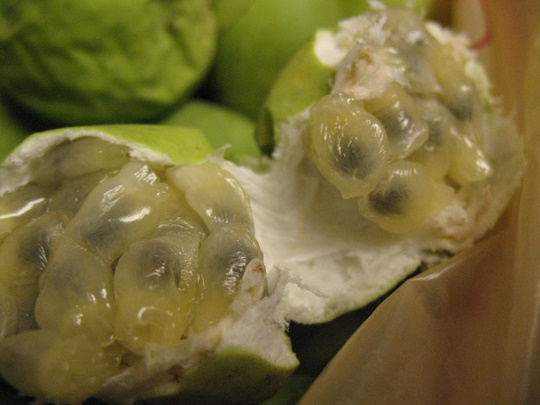
The odd packaging of the flavorful fruit... technically a berry.
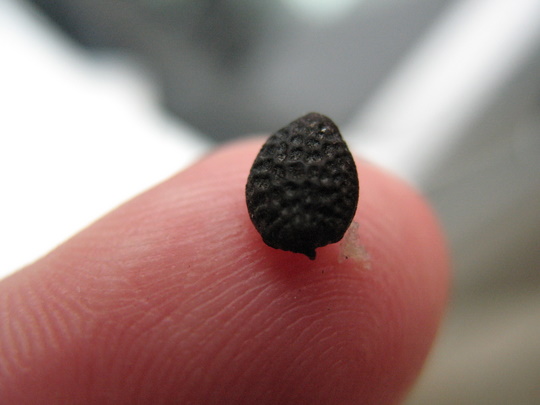
Fresh eating - contains a whole bunch of edible seeds surrounded by a gelatinous (and very flavorful) fruit. While you can eat the seeds (like pomegranate) many just spit them out
Cooked fruit - great for making tropical flavored sauces
Leaves - raw (addition to salads) or cooked (as a steamed veggie)
Teas - leaves are used
Fruit juice - alone/mixed with other juices; can flavor other foods (ice cream, fruit leather, etc.)
Preserves, jams, jellies, etc.
Flowers are said to be edible - cooked like a veggie, but I have never tried this
Secondary Uses:
General insect nectar plant, especially bees (i.e. attracts beneficial insects)
Hummingbird and butterfly nectar plant
Food source for wildlife in Summer and Autumn
Beautiful flowers (pale pink to deep purple) in the Spring
Medicinal - long history of Native Americans using the Maypop for insomnia, anxiety, and inflammation
Yield: I've seen reported 10-20 fruits per vine depending on vine size and age of the plant, but this seems to be reportings on wild plants
Harvesting: Late Summer – Autumn (September – November). Fruit ripens
through the season, so plan to check the vine often. Many growers will just
wait for the mature fruit to drop before harvesting.
Storage: Fresh fruit can store for a week or two at cool room temperature.
Don’t let it dry out by placing it a dry environment.
Plant Type: Herbaceous Vine (above ground parts die back each winter) Leaf Type: Deciduous Forest Garden Use: Vertical/Climbing Layer Cultivars/Varieties: There are few named varieties, most named varieties
that exist have been improved for their flowers and not their fruit; hence they
may not be a good choice for the Permaculturist (one named variety is even
sterile!). However, there are many unnamed varieties that grow great fruit.
Pollination: Needs Cross-Pollination to produce fruit – needs another
variety/cultivar nearby, and both will set fruit. Pollinated largely by
Carpenter Bees. If none are present, and since there are not a lot of flowers,
some growers will hand-pollinate using pollen from a flower that has been open for 12 hours.
Flowering: Summer (July – September)
Life Span: Years to Begin Bearing: 1-2 years Years to Maximum Bearing: 2-4 years Years of Useful Life: Indefinite as "new" shoots form every year
PHYSICAL CHARACTERISTICS OF THIS PLANT Size: 10-30 feet (3-9 meters) tall (but about 15-20 feet is typical) and as
wide as you will let it grow (but single vines are about 1 foot (30 cm) wide) Roots: Initially a tap root and over time a deep network of roots both Suckering (shoots can pop up quite a distance from the “mother”
plant) and Stoloniferous (will root from creeping stems above ground) Growth Rate: Fast
Growing Maypops from seed can be a troublesome task... I'll stick with cuttings and layering.
GROWING CONDITIONS FOR THIS PLANT Light: Prefers full sun Shade: Tolerates light shade Moisture: Medium, but can tolerate drought once established pH: most species prefer fairly neutral soil (5.5 - 7.5)
Special Considerations for Growing:
The fruit needs a long and warm summer to ripen, so
consider planting in your sunnier spots.
This plant starts late in the Spring (remember the name?), so it can be
planted in a place that late summer shade will not interfere with other plants
growth.
Maypop grows rapidly and grows best when it can climb on a trellis, a fence,
an arbor, or even other shrubs.
Propagation: Layering - Take advantage of its stoloniferous nature and layer this plant
in Spring and Summer... the stems root easily. Cuttings. Seed - should be soaked for 12 hrs in warm water before sown; may take a full 12 months to germinate.
Maintenance:
Minimal. Almost no pests.
Keep the vine in check by hand picking suckers or
mowing around the plant where you don’t want it to spread.
The browned vines
can be trimmed back at the end of each season.
Many in the northern zones will mulch the roots for added frost protection