Showing posts with label Shrubs. Show all posts

Thursday, April 4, 2013

Permaculture Plants: Aronia or Chokeberry

Aronia, or Chokeberry, is a great shrub for the Forest Garden
Black Chokeberry (Aronia melanocarpa)

Common Name: Aronia, Chokeberry
Scientific Name: Aronia species
Family: Rosaceae (the Rose family)

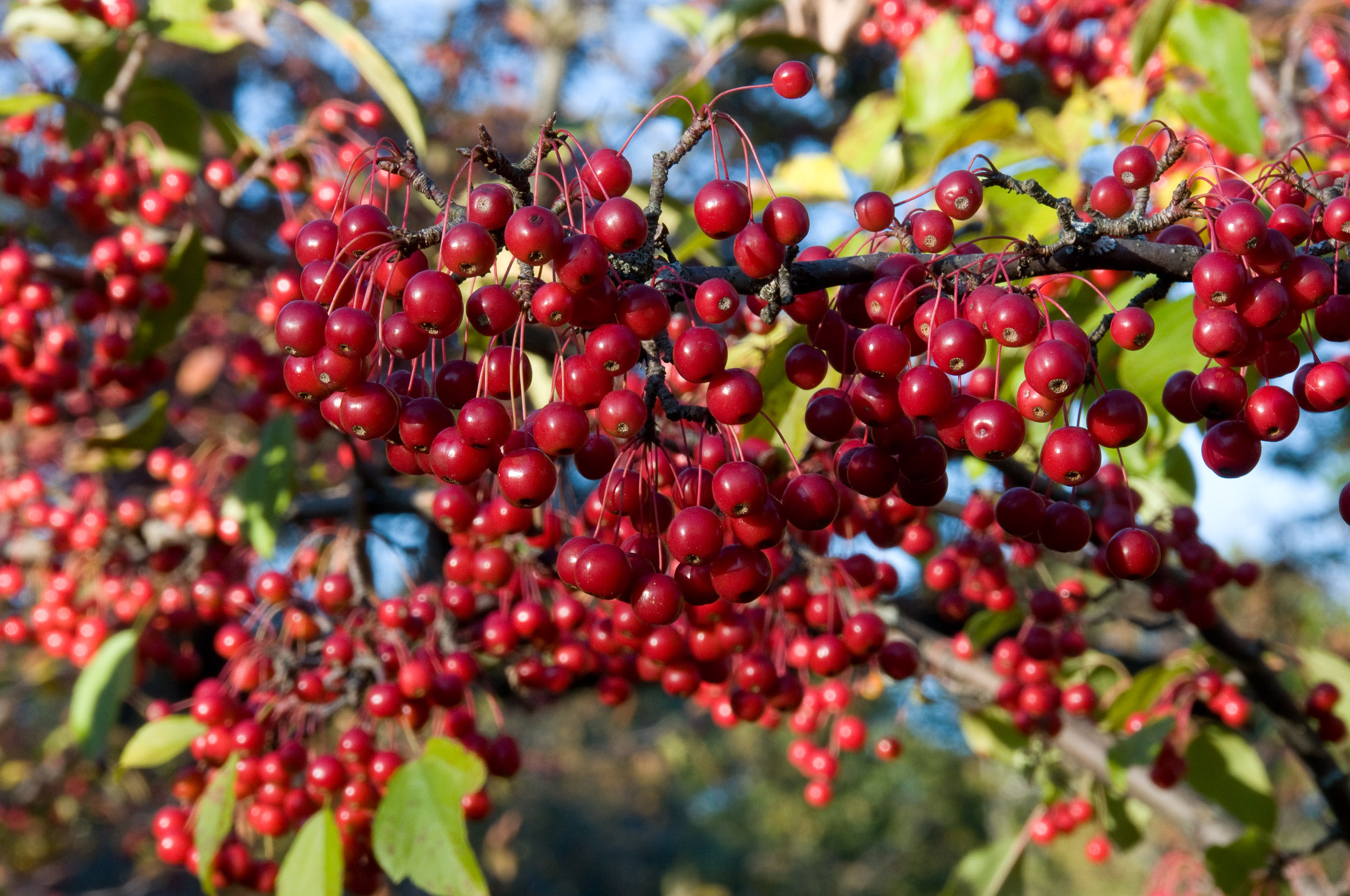
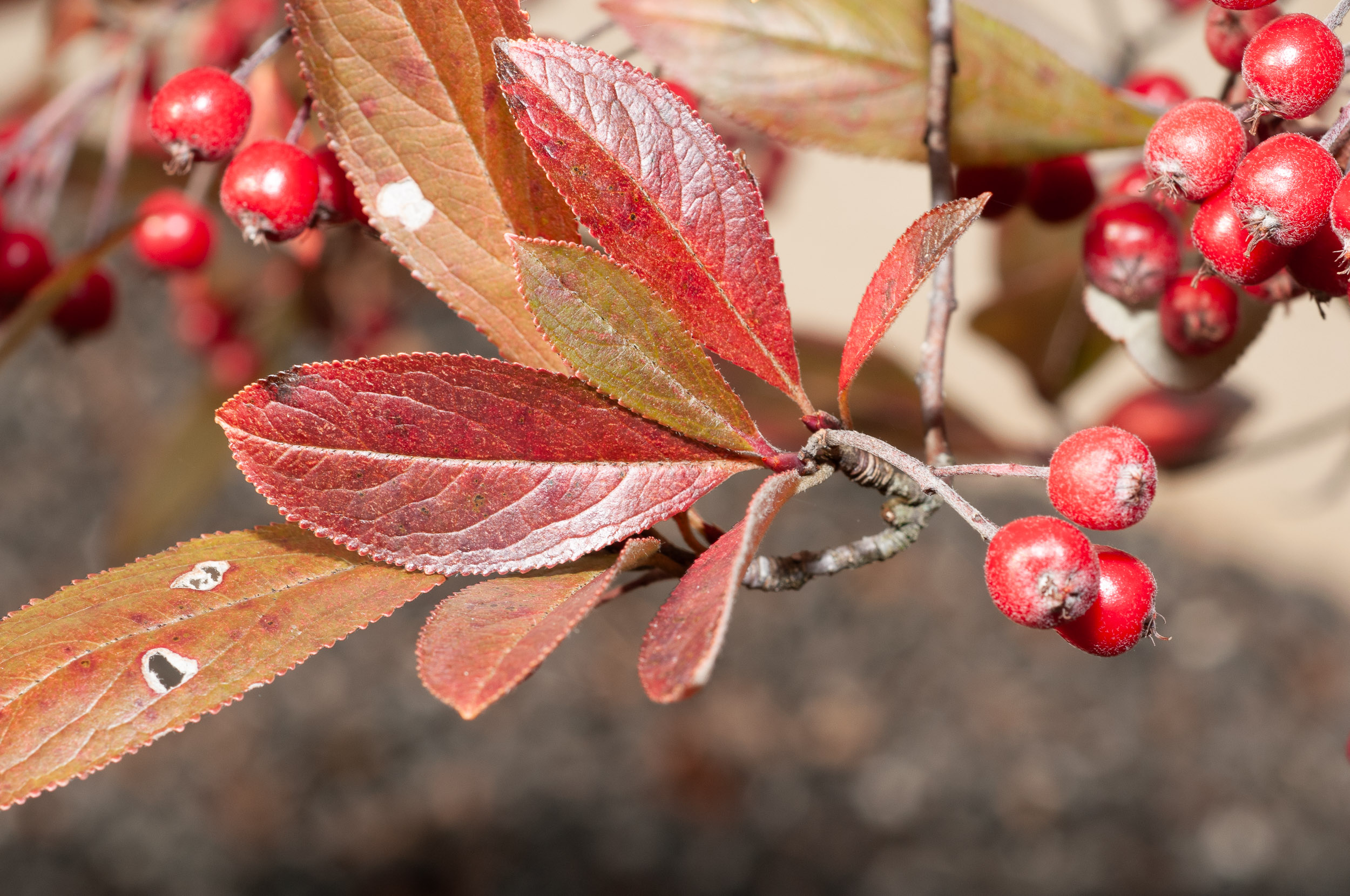
Red Chokeberry (Aronia arbutifolia)

Species: 
  • Red Chokeberry (Aronia arbutifolia) - Large Shrub, Red Fruit
  • Black Chokeberry (Aronia melanocarpa) - Small to Medium-sized Shrub, Dark Purple-Black Fruit
  • Purple Chokeberry (Aronia prunifolia) - natural hybrid of Red and Black Chokeberry, but is now likely its own species

Black Chokeberry (Aronia melanocarpa)

Description:
The North American shrub known as Chokeberry had an extreme makeover once its nutritional profile was discovered. High in vitamin C and antioxidants, it is being touted as the healthiest fruit in the world. This new "superfood" was re-branded as Aronia (its scientific name), and it is now a common addition to juices and other health snacks. Typically a bit too astringent to eat raw, hence the original name, the fruit can easily be used in jams and jellies and even wines. It can also be made into syrup and tea. In the Forest Garden, it will attract beneficial insects, can withstand periods of drought, can be used as a windbreak and fruit-bearing hedge, and is strikingly beautiful most of the year.

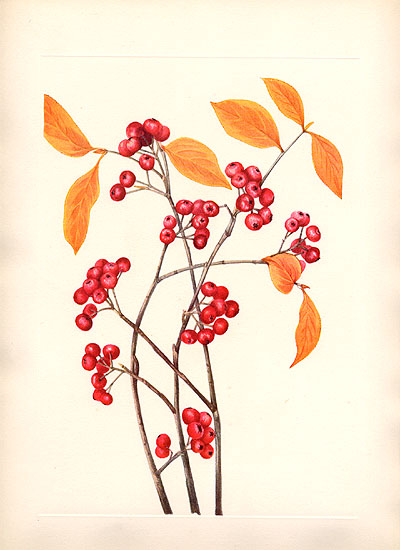
Red Chokeberry (Aronia arbutifolia) by Mary Walcott, 1925

History:
The Aronia species are native to eastern North America. They have likely been used for thousands of years by natives for food and medicine. They have been used for some time as ornamentals, but it is only recently that they have become significantly more popular once they gained "health food" status.

Trivia:
  • The common name "Chokeberry" was given because, when raw, the fruit is typically too astringent (drying or mouth puckering). Many birds will avoid this berry until all other fruit sources are gone. This will often leave the fruit on the plants through mid-Winter.
  • The Aronia (aka ChokeBERRY) should not be confused with Prunus virginiana, the ChokeCHERRY, although fruits from both similar-looking plants are edible.
  • The fruit of Aronia is very high in vitamin C and antioxidants (specifically anthocyanins found in the Black Chokeberry (Aronia melanocarpa).
  • A mature plant can have up to 40 canes per shrub.

Apple and Chokeberry Wine

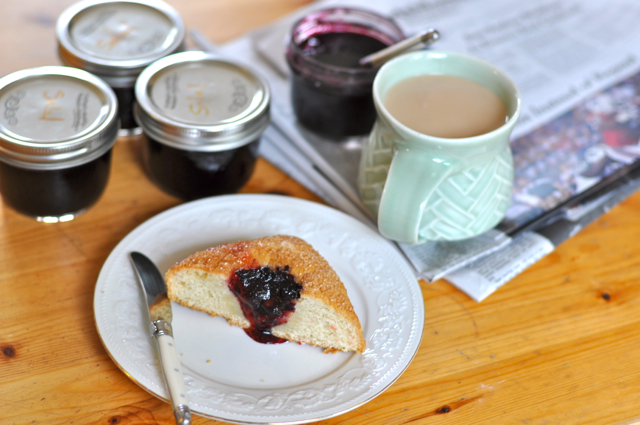
Chokeberry Jam

USING THIS PLANT
Primary Uses:
  • Edible fruit - usually cooked. Some improved varieties are mild enough to be eaten raw (see Trivia above).
  • Preserved Fruit - jams, jellies, preserves, etc. (naturally high in pectin). Can also be dried and used in teas and pemmican.
  • Fruit Juice - if mixed in a 1:1 ratio with another juice that is naturally sweet (like apple juice), then no other sweetener is needed
  • Juice can be reduced with heat to make syrup.
  • Primary or adjunct flavor in wines, but likely could be used in beers and liquors.
  • Tea Plant (dried fruits are used)
  • Fruit Leather

Secondary Uses:
  • General insect (especially bees) nectar plant
  • Wildlife food plant, especially birds, in Winter
  • Wildlife shelter plant for small mammals and birds
  • Groundcover plant - Black Chokeberry (Aronia melanocarpa), plant 3-4 feet (1 meter) apart
  • Ornamental Garden Plant
  • Drought-Resistant Plant - can withstand low water periods, but not extremely prolonged dry periods.
  • Windbreak species
  • Living Fence species

Yield: This varies dramatically on age, variety, and growing conditions, but a mature plant can average 22 lbs (10 kg) per year. Reports of almost 40 lbs (17 kg) per bush have been reported.
Harvesting: Autumn. Only harvest when fully ripe. Taste is better after a frost. A berry comb will greatly assist harvesting the small fruits.
Storage: Best when used fresh. Can be stored in a cool place (like a refrigerator) for up to two weeks.

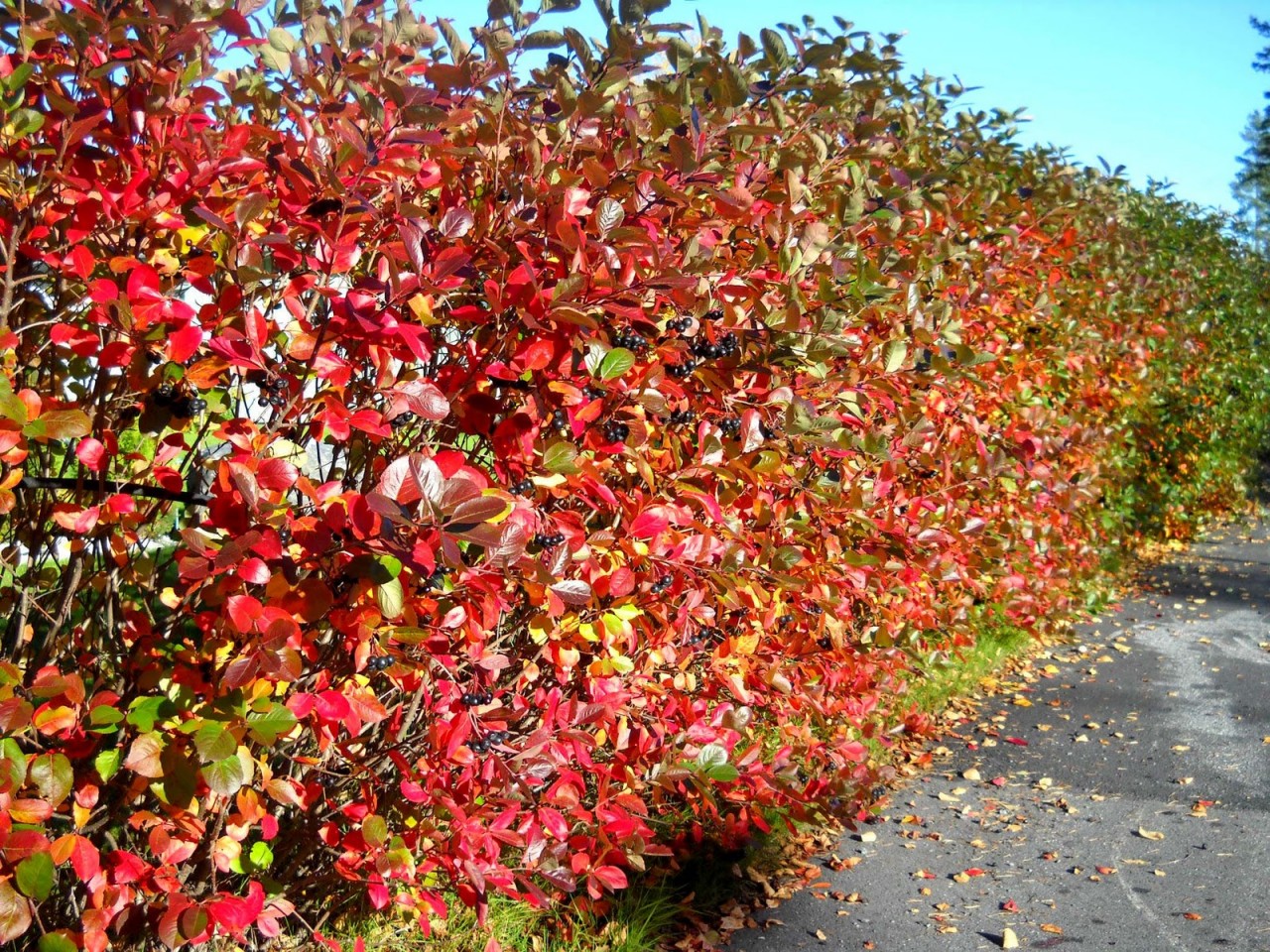
Aronia can be used as a hedge or windbreak...
Black Chokeberry (Aronia melanocarpa)

...and it is beautiful in the Autumn...
Black Chokeberry (Aronia melanocarpa)

...and Winter.
Red Chokeberry (Aronia arbutifolia)

DESIGNING WITH THIS PLANT
USDA Hardiness Zone:
  • Red Chokeberry (Aronia arbutifolia) - Zone 4-9
  • Black Chokeberry (Aronia melanocarpa) - Zone 3-8
  • Purple Chokeberry (Aronia prunifolia) - Zone 4-7

AHS Heat Zone:
  • Red Chokeberry (Aronia arbutifolia) - Zone 8-4
  • Black Chokeberry (Aronia melanocarpa) - Zone 8-1
  • Purple Chokeberry (Aronia prunifolia) - Zone 8-1 

Chill Requirement: Likely, but no tested information is available; however, some studious amateurs suggest 800-1,000 chilling hours/units are needed for good flowering.

Plant Type: Shrub
Leaf Type: Deciduous
Forest Garden Use: Shrub Layer, Groundcover Layer
Cultivars/Varieties: Multiple varieties available

Pollination: Self-Pollinating. Pollinated by insects.
Flowering: Spring-Summer (May-June)

Life Span:
Years to Begin Bearing: 2-3 years
Years of Useful Life: No good information available, but this plant freely suckers. As one plant is starting to decline, a suckering plant can be established to take the original plant's place in the garden and in production.

Red Chokeberry (Aronia arbutifolia)


PHYSICAL CHARACTERISTICS OF THIS PLANT
Size: 
  • Red Chokeberry (Aronia arbutifolia) - 6-13 feet (1.8-4 meters) tall and 3-9 feet (0.9-3 meters) wide
  • Black Chokeberry (Aronia melanocarpa) - 1.5-6 feet (0.4-1.8 meters) tall and 6-10 feet (1.8-3 meters) wide
  • Purple Chokeberry (Aronia prunifolia) - 6-9 feet (1.8-3 meters) tall and 3-8 feet (0.9-2.5 meters) wide

Roots: Fibrous with the ability to sucker (send up shoots from underground roots)

Growth Rate: 
  • Red Chokeberry (Aronia arbutifolia) - Slow
  • Black Chokeberry (Aronia melanocarpa) - Slow to Fast (depending on environmental factors)


These shrubs can be quite prolific!


GROWING CONDITIONS FOR THIS PLANT
Light: Full to partial sun
Shade: Tolerates moderate shade, but fruit production is lower
Moisture: Can grow in wet to dry soils
pH: prefers acidic to neutral soil (5.1 - 6.5), but can grow in a wide range (5.0-8.5)

Special Considerations for Growing: 
  • Consider growing an improved variety for more or larger fruits.
  • Aronia does not tolerate juglone (a natural growth inhibitor produced by Black Walnut and its relatives). Consider using another plant as a buffer between your walnuts and Aronias.

Propagation: 
Usually from seed. Needs 12-13 weeks cold stratification for germination. Can be propagated from cuttings of half-ripe wood in Summer (cut one half inch below a node). Can divide suckers in late Autumn and Winter when the plant is dormant.

Maintenance:
Minimal, but will need to cut back suckers if not wanted. Also, thinning older canes once every few years will keep the plants more productive.

Concerns:
Red Chokeberry (Aronia arbutifolia) can sucker a bit more aggressively than the Black Chokeberry (Aronia melanocarpa); however, these are rarely invasive.

Monday, February 25, 2013

Permaculture Plants: Salal or Shallon

Salal is an evergreen shrub that fruits in shade! Awesome!

Common Name: Salal, Shallon
Scientific Name: Gaultheria shallon
Family: Ericaceae (the Heath or Heather family)

The small berries have a sweet, unique flavor that some say tastes like blueberries.

Description:
Salal is an evergreen understory shrub native to the West coast of North America. It has sweet, great-tasting berries that are reminiscent of blueberries. It is one of the few plants that fruit well in shade. It also attracts beneficial insects, feeds wildlife, can be used as a low windbreak or ground cover, and once established, it can tolerate drought. A great understory plant for the Forest Garden.

Gaultheria shallon

History:
Salal is a common understory plant, typically growing under conifers, and is native the the West coast of North America. It has been introduced in the UK where it has readily grown in more acidic environments. Some in Europe consider it a mildly invasive weed.

Trivia:
  • The name "salal" comes from the Chinnot Jargon sallal.
  • The name "shallon" come from the Native American (unsure which people group) shellwell.

Salal Preserves!

A couple more links to preserving salal berries:

USING THIS PLANT
Primary Uses:
  • Fresh Eating - fruit is like small blueberries
  • Baking - pies, tarts, turnovers, etc.  Use like blueberries or currants
  • Cooking - can be used in savory dishes
  • Preserves, jams, jellies, etc. The seeds are tiny (like strawberry seeds), so there is no need to strain them out
  • Dried fruit
  • Fruit Leather
  • Flavoring component to beers, wines, liquers, etc.

Secondary Uses:
  • General insect (especially bees) nectar plant
  • Wildlife food plant
  • Wildlife shelter plant
  • Groundcover plant - perfect for shady locations. Space about 3 feet (0.9 meters) apart.
  • Windbreak Shrub (very dense plant)
  • Hedge plant
  • Drought tolerant plant
  • Tea plant - from dried leaves
  • Edible leaves - young leaves are reportedly edible, but I have yet to try this
  • Salal is used in floral arrangements
  • Dye plant - fruit and leaves
  • Medicinal Uses

Yield: no reliable information can be found
Harvesting: Summer (July - August). Pick when the berries get dark and soft.
Storage: Like blueberries, will store fresh for about a week.

The dainty flowers of a blooming Salal.

DESIGNING WITH THIS PLANT
USDA Hardiness Zone: 6-8
AHS Heat Zone: 8-6
Chill Requirement: 50-450 hours/units depending on the species and variety

Plant Type: Small to medium-sized Shrub
Leaf Type: Evergreen
Forest Garden Use: Shrub Layer, Groundcover Layer
Cultivars/Varieties: This plant has not been developed much

Pollination: Self-Pollinating/Self-Fertile. Pollinated by insects.
Flowering: April - June

Life Span:
Years to Begin Bearing: 2-3 years
Years of Useful Life: No good information available, but since this plant produces runners so easily, an individual plant's lifespan is not that important. An established community of Salal will live almost indefinitely.

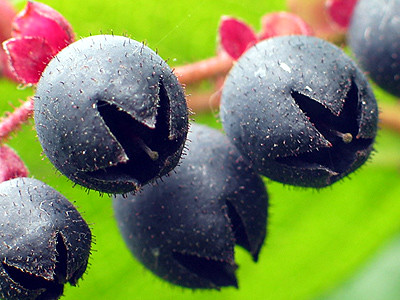
The small berries have soft hairs on them - reminiscent of raspberries.

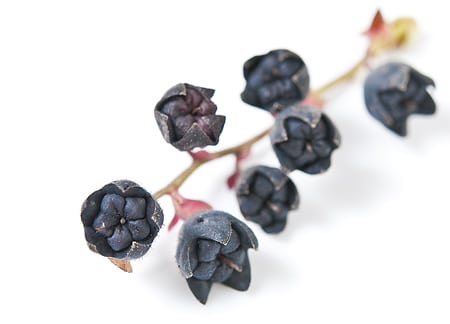
Salal berries will open as they mature.

Fully mature berries. Fruits are usually picked for eating before this stage.

PHYSICAL CHARACTERISTICS OF THIS PLANT
Size: 1-6 feet (0.3-1.8 meters) tall and indefinitely wide
Roots: Fibrous with stolons (aka "runners" - stems right at ground level that form roots)
Growth Rate: Medium

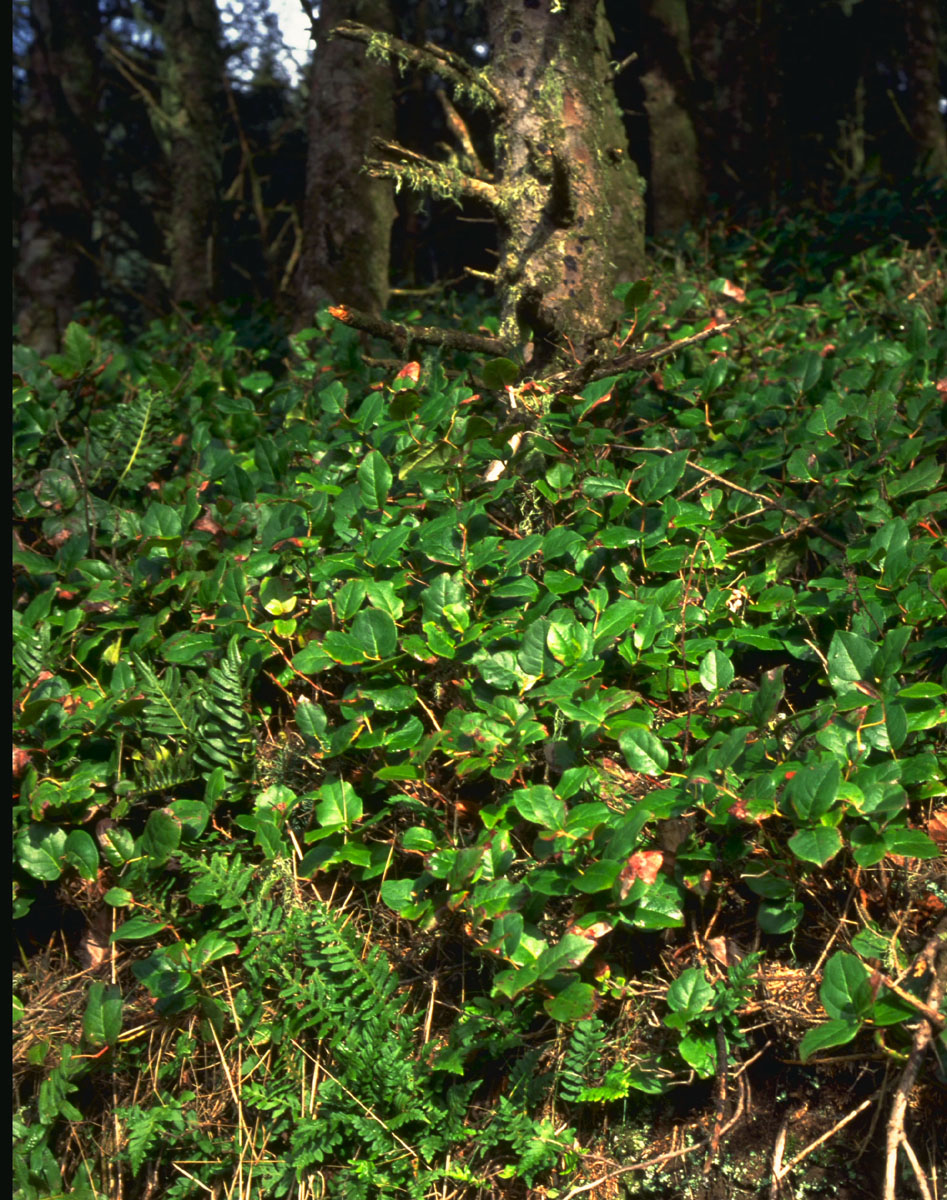
Salal makes a great groundcover for deep shade.

GROWING CONDITIONS FOR THIS PLANT
Light: Full sun to part shade
Shade: Tolerates deep shade
Moisture: Medium moisture soils
pH: prefers an acidic to fairly neutral soil (5.5-6.5), but can tolerate very acidic soils

Special Considerations for Growing: 
Salal has a combination of traits that let it fill a unique niche in the Forest Garden. A difficult spot to fill is often under conifers, but the acidic soil and shade is where Salal will thrive.

Propagation: Typically by seed - requires 4-17 weeks cold stratification (depending on the source of information). Can be propagated by cuttings or more commonly by splitting the new plants that develop from the runners.

Maintenance:
Takes a little care to get young plants established as they are more frost susceptible, but once established, the only maintenance will be cutting back the runners from where you do not want them to grow. A mature patch of plants will try to expand at a rate of about 1 foot (30 cm) per year. This is easy to maintain and keep in bounds.

Concerns:
None.


Wednesday, February 6, 2013

Permaculture Plants: Oak


The majestic Oak.

Common Name: Oak
Scientific Name: Quercus species
Family: Fagaceae (the Beech family)

Ariundle Oakwood, Scotland.
One of the last surviving old-growth oak forests in the Scottish Highlands.

Common Species:

  • Sawtooth/Sawthorn Oak (Quercus acutissima) - medium-sized tree
  • Encina or California Live Oak (Quercus agrifolia) - medium-sized evergreen tree
  • White Oak (Quercus alba) - large tree
  • Boz-Pimal Oak (Quercus aucheri) - large evergreen shrub
  • Swamp White Oak (Quercus bicolor) - large tree
  • Turkey Oak (Quercus cerris) - large tree
  • Kermes Oak (Quercus coccifera) - medium-sized evergreen shrub
  • Scarlet Oak (Quercus coccinea) - large tree
  • Blue Oak (Quercus douglasii) - medium-sized tree
  • Black Oak (Quercus emoryi) - medium-sized tree
  • Hungarian Oak (Quercus frainetto) - large tree
  • Gambel or Shin Oak (Quercus gambelii) - large shrub
  • Glaucous-Leaf Oak or Japanese Blue Oak (Quercus glauca) - medium-sized evergreen tree
  • Holly Oak (Quercus ilex) - large evergreen tree
  • Holm Oak (Quercus ilex ballota) - large evergreen tree
  • Valonia Oak (Quercus ithaburensis macrolepis) - medium-sized tree
  • Californian Black Oak (Quercus kelloggii) - large tree
  • Bull Oak (Quercus lamellose) - very large evergreen tree
  • Overcup Oak (Quercus lyrata) - large tree
  • Burr Oak (Quercus macrocarpa) - large tree
  • Chinkapin Oak or Yellow Chestnut Oak (Quercus meuhlenbergii) - medium-sized tree
  • Swamp Chestnut Oak (Quercus michauxii) - large tree
  • Mexican Blue Oak (Quercus oblongifolia) - medium-sized evergreen tree
  • Pin Oak (Quercus palustris) - large tree
  • Dwarf Chinkapin Oak (Quercus prinoides) - large shrub
  • Chestnut Oak (Quercus prinus) - large tree
  • English or Pedunculate Oak (Quercus robur) - large tree
  • Red Oak (Quercus rubra) - large tree
  • Post Oak (Quercus stellata) - large tree
  • Cork Oak (Quercus suber) - large tree
  • Live Oak (Quercus virginiana) - large evergreen tree
  • Sierra Live Oak (Quercus wislizeni) - large evergreen tree
  • Compton's Oak (Quercus x hybrid) - large tree
  • Schuette's Oak (Quercus x schuettei) - large tree


Angel Oak Tree, outside of Charleston, South Carolina, is over 1,500 years old.
Live Oak (Quercus virginiana) 

Description:
The Oaks are a large family of shrubs and trees, about 600 species, which produce acorns. Oak wood is highly valued for everything from timber buildings and furniture to wine/whiskey barrels and shitake mushroom logs. Acorns can be used for making flour or a coffee/tea substitute. The trees themselves are beautiful, large, and long-lived and work great as windbreaks. If you enough space, oaks are a great addition to a Forest Garden.

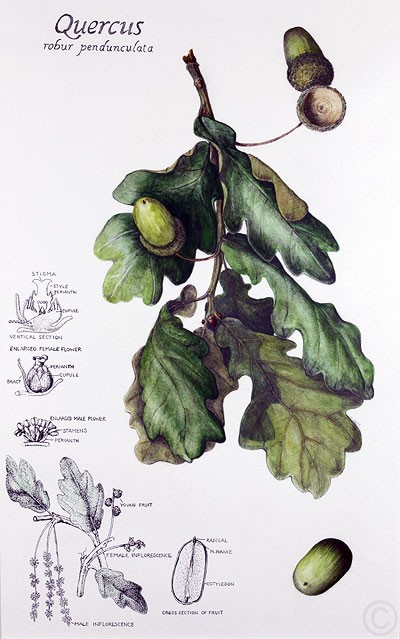
English or Pedunculate Oak (Quercus robur) 
Watercolor by Ruth de Monchaux

History:
Native to the northern hemisphere, oaks are found from tropical to cold climates. Oaks have been used for wood and food for thousands of years. Craftsman around the world have used oak wood for centuries. Because of their long lives and strong wood, oaks have been used as national and political symbols, and because of their use is no many areas of life, oaks have been used as religious symbols as well. In more recent times, a number of hybrids and cultivars have been developed for landscaping purposes. Unfortunately, there has not been much development in producing acorns with less tannin.

Trivia:

  • Oak trees can be deciduous or evergreen (a.k.a. "Live Oaks")
  • Oaks produce fruit as a nut called an acorn. The nut contains the seed. The "cap" of the acorn is called a "cupule".
  • The fruit of nut trees, like acorns, are generally referred to a "mast".
  • Most acorns have high amounts of tannin, which eaten in large doses, can be toxic to certain animals, namely horses, cattle, and sheep. Pigs, which in certain locations feed on large amounts of Autumn acorns, can have some issues with the toxins, but this is much less common.
  • The primary source of corks for wine bottles and other uses comes from the
  • Cork Oak (Quercus suber). Cork is considered a renewable resource, since
  • harvesting the cork (bark) is done in a way which does not harm the tree.


Acorns can feed wildlife, domesticated life, and human life alike.
Red Oak (Quercus rubra) 
http://img3.etsystatic.com/004/1/6586066/il_fullxfull.382876059_g0w8.jpg

Oak leaf and acorn variety.
5 oak leaves and 6 acorns found by Coniston Water by Eileen Postlethwaite


USING THIS PLANT
Primary Uses:

  • Nut - the "acorn" is typically dried and ground as "meal" or "flour". Only a few species or improved hybrids have seeds that can be eaten raw (Quercus ilex)
  • Oil - only a few species have seeds that can be pressed to expel edible oil (Quercus ilex)
  • Young Leaves - cooked. Only a few oaks (Quercus acutissima) have edible leaves.
  • Coffee - The seed can be roasted and used as a coffee substitute.


Secondary Uses:

  • General insect nectar and pollen plant
  • Wildlife food
  • Wildlife shelter
  • Windbreak
  • Most species can be coppiced - every 7-30 years depending on the size wood desired.
  • Wood is highly prized for finish carpentry, furniture, tools, barrels, crafts, baskets, as well as posts, fencing, stakes, wedges, roof shingles, firewood, and charcoal.
  • Wood and acorn shells can be used for tanning.
  • Wood can be used for mushrooms (shiitake!)


Yield: highly variable on species and size of the tree. For example, Q. acutissima can produce up to 125 lbs (56 kg) of acorns per year.

Harvesting: Autumn (October-November). Acorns are harvested after they have fallen from the tree.
Storage: Can be used right away, but can be stored for months if kept dry.

Beautiful photo of Oak leaves in Autumn
White Oak (Quercus alba)
(http://stillblog.net/?p=1417 ... this is a beautiful blog!)

Oaks are just impressive trees!

DESIGNING WITH THIS PLANT
USDA Hardiness Zone:

  • Sawtooth/Sawthorn Oak (Quercus acutissima) - Zone 5
  • Encina or California Live Oak (Quercus agrifolia) - Zone 8
  • White Oak (Quercus alba) - Zone 4
  • Boz-Pimal Oak (Quercus aucheri) - Zone 8
  • Swamp White Oak (Quercus bicolor) - Zone 4
  • Turkey Oak (Quercus cerris) - Zone 7-9
  • Kermes Oak (Quercus coccifera) - Zone 6
  • Scarlet Oak (Quercus coccinea) - Zone 4
  • Blue Oak (Quercus douglasii) - Zone 7
  • Black Oak (Quercus emoryi) - Zone 7 
  • Hungarian Oak (Quercus frainetto) - Zone 6
  • Gambel or Shin Oak (Quercus gambelii) - Zone 4
  • Glaucous-Leaf Oak or Japanese Blue Oak (Quercus glauca) - Zone 7
  • Holly Oak (Quercus ilex) - Zone 7
  • Holm Oak (Quercus ilex ballota) - Zone 7
  • Valonia Oak (Quercus ithaburensis macrolepis) -Zone 7
  • Californian Black Oak (Quercus kelloggii) - Zone 7-9
  • Bull Oak (Quercus lamellose) - Zone 8
  • Overcup Oak (Quercus lyrata) - Zone 5
  • Burr Oak (Quercus macrocarpa) - Zone 2-8
  • Chinkapin Oak (Quercus meuhlenbergii) - Zone 4
  • Swamp Chestnut Oak (Quercus michauxii) - Zone 6
  • Mexican Blue Oak (Quercus oblongifolia) - Zone 7
  • Pin Oak (Quercus palustris) - Zone 5-8
  • Dwarf Chinkapin Oak (Quercus prinoides) - Zone 5
  • Chestnut Oak (Quercus prinus) - Zone 5
  • English or Pedunculate Oak (Quercus robur) - Zone 4
  • Red Oak (Quercus rubra) - Zone 3
  • Post Oak (Quercus stellata) - Zone 5
  • Cork Oak (Quercus suber) - Zone 7
  • Live Oak (Quercus virginiana) - Zone 7
  • Sierra Live Oak (Quercus wislizeni) - Zone 8


AHS Heat Zone:

  • Sawtooth/Sawthorn Oak (Quercus acutissima) - Zone 8-3
  • Encina or California Live Oak (Quercus agrifolia) - Zone 12-9
  • White Oak (Quercus alba) - Zone 8-1
  • Swamp White Oak (Quercus bicolor) - Zone 8-1
  • Turkey Oak (Quercus cerris) - Zone 8-1
  • Scarlet Oak (Quercus coccinea) - 9-4
  • Blue Oak (Quercus douglasii) - Zone 9-1
  • Glaucous-Leaf Oak or Japanese Blue Oak (Quercus glauca) - Zone 9-4
  • Holly Oak (Quercus ilex) - Zone 9-2
  • Californian Black Oak (Quercus kelloggii) - Zone 9-5
  • Bull Oak (Quercus lamellose) - Zone 8
  • Overcup Oak (Quercus lyrata) - Zone 8-4
  • Burr Oak (Quercus macrocarpa) - Zone 9-1
  • Chinkapin Oak (Quercus meuhlenbergii) - Zone 8-2
  • Swamp Chestnut Oak (Quercus michauxii) - Zone 9-3
  • Pin Oak (Quercus palustris) - Zone 7-3
  • Dwarf Chinkapin Oak (Quercus prinoides) - Zone 8-1
  • Chestnut Oak (Quercus prinus) - Zone 8-1
  • English or Pedunculate Oak (Quercus robur) - Zone 8-3
  • Red Oak (Quercus rubra) - Zone 9-5
  • Post Oak (Quercus stellata) - Zone 9-4
  • Cork Oak (Quercus suber) - Zone 12-3
  • Live Oak (Quercus virginiana) - Zone 11-6
  • Sierra Live Oak (Quercus wislizeni) - 10-6


Chill Requirement: likely, but no reliable information can be found

Plant Type: Medium to large-sized Shrubs; medium to large-sized Trees
Leaf Type: Evergreen or Deciduous depending on the species
Forest Garden Use: Canopy Layer, Sub-Canopy (Understory) Layer, Shrub Layer
Cultivars/Varieties: Many species, hybrids, and varieties available.

Pollination: Oaks require cross-pollination. This can come from just about any other species of oak. Pollinated by the wind.
Flowering: late Spring to mid-Summer

Life Span:
Years to Begin Bearing: 5-35 years depending on the species
Years Between Major Cropping: 1-10 years depending on the species.
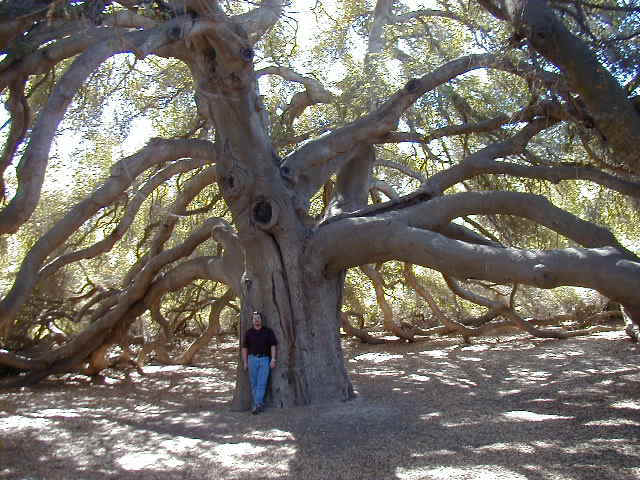
Years of Useful Life: 200 years is considered young for most species. Oaks can live to 400 years if not cut down. There is an oak over 2,000 years old in California.

The Pechanga Great Oak, outside of Temecula, California, is over 2,000 years old.
Encina or California Live Oak (Quercus agrifolia)

Oak leaves can be extremely variable. Each species is different.
http://www.hearth.com/talk/threads/oak-tree-down-church-need-id.87993/

PHYSICAL CHARACTERISTICS OF THIS PLANT
Size:

  • Sawtooth/Sawthorn Oak (Quercus acutissima) - 16 feet (5 meters) tall and 49 feet (15 meters) wide
  • Encina or California Live Oak (Quercus agrifolia) - 49 feet (15 meters) tall and 26 feet (8 meters) wide
  • White Oak (Quercus alba) - 65 feet (20 meters) tall and 32 feet (10 meters) wide
  • Boz-Pimal Oak (Quercus aucheri) - 16 feet (5 meters) tall and 13 feet (4 meters) wide
  • Swamp White Oak (Quercus bicolor) - 82 feet (25 meters) tall
  • Turkey Oak (Quercus cerris) - 114 feet tall (35 meters) tall and 82 feet (25 meters) wide
  • Kermes Oak (Quercus coccifera) - 13 feet (4 meters) tall and wide
  • Scarlet Oak (Quercus coccinea) - 82 feet (25 meters) tall and 49 feet (15 meters) wide
  • Blue Oak (Quercus douglasii) - 39 feet (12 meters) tall
  • Black Oak (Quercus emoryi) - 39 feet (12 meters) tall
  • Hungarian Oak (Quercus frainetto) - 98 feet (30 meters) tall
  • Gambel or Shin Oak (Quercus gambelii) - 14 feet (4 meters) tall
  • Glaucous-Leaf Oak or Japanese Blue Oak Oak (Quercus glauca) - 49 feet (15meters) tall
  • Holly Oak (Quercus ilex) - 82 feet (25 meters) tall and 65 feet (20 meters) wide
  • Holm Oak (Quercus ilex ballota) - 82 feet (25 meters) tall and 65 feet (20 meters) wide
  • Valonia Oak (Quercus ithaburensis macrolepis) - 49 feet (15 meters) tall and 42 feet (13 meters) wide
  • Californian Black Oak (Quercus kelloggii) - 82 feet (25 meters) tall
  • Bull Oak (Quercus lamellose) - 115 feet (35 meters) tall
  • Overcup Oak (Quercus lyrata) - 98 feet (30 meters) tall
  • Burr Oak (Quercus macrocarpa) - 75-100 feet (22-30 meters) tall and wide
  • Chinkapin Oak (Quercus meuhlenbergii) - 35-50 feet (10-15 meters) tall and wide
  • Swamp Chestnut Oak (Quercus michauxii) - 75-100 feet (22-30 meters) tall and wide
  • Mexican Blue Oak (Quercus oblongifolia) - 26 feet (8 meters) tall
  • Pin Oak (Quercus palustris) - 82 feet (25 meters) tall
  • Dwarf Chinkapin Oak (Quercus prinoides) - 12 feet (3.5 meters) tall and 12-20 (3.5-6 meters) feet wide
  • Chestnut Oak (Quercus prinus) - 49 feet (15 meters) tall and 75-100 feet(22-30 meters) wide
  • English or Pedunculate Oak (Quercus robur) - 98 feet (30 meters) tall and wide 
  • Red Oak (Quercus rubra) - 82 feet (25 meters) tall and 59 feet (18 meters) wide
  • Post Oak (Quercus stellata) - 65 feet (20 meters) tall and wide
  • Cork Oak (Quercus suber) - 65 feet (20 meters) tall and 49 feet (15 meters) wide
  • Live Oak (Quercus virginiana) - 65 feet (20 meters) tall and wide
  • Sierra Live Oak (Quercus wislizeni) - 65 feet (20 meters) tall and 98 feet (30 meters) wide


Roots: Extremely variable based on the species. Many have taproots, some are heart-shaped root masses, and some are a diffuse, fibrous network.
Growth Rate: Most species grow at a Slow to Medium rate; however, a few species are known to grow fast. Also, many of the hybrids grow at a much faster rate.

Shiitake Mushrooms prefer Oak wood over any other wood.

Oak wood has so many uses!

GROWING CONDITIONS FOR THIS PLANT
Light: Prefers full sun
Shade: Some species tolerate light shade
Moisture: Medium soil moisture preferred, but the "swamp" species (Q. bicolor, Q. michauxii) can handle pretty wet soils as can Q. robur
pH: most species prefer fairly neutral soil (6.0-7.0), and some species (notably Q. macrocarpa) is tolerant of very acidic to very alkaline soils.

Special Considerations for Growing: 
It is likely that all species tolerates juglone (natural growth inhibitor produced by Black Walnut and its relatives). Consider using this tree as a buffer between your walnuts and other plantings.

Propagation: 
Easily from seed. Sow immediately in Autumn after the seeds have fallen from the tree.

Maintenance:
Not much maintenance is needed.

Concerns:
Some people can have seasonal allergies to the pollen.

Thursday, January 31, 2013

Permaculture Plants: Juniper

Junipers are a unique addition to a Forest Garden 
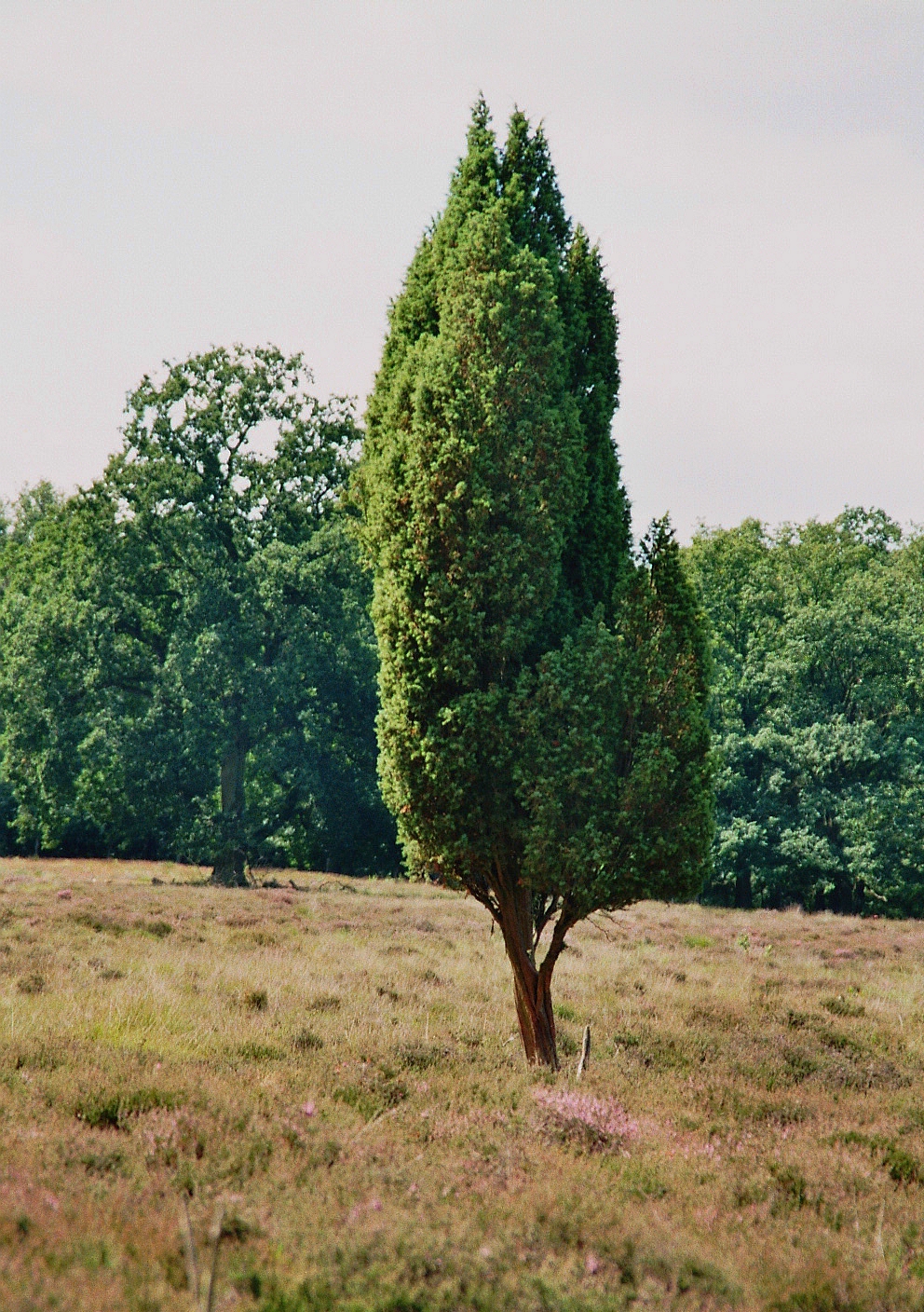
(Juniperus communis)

Common Name: Juniper
Scientific Name: Juniperus species
Family: Cupressaceae (the Cypress family)

Most people associate Junipers with arid climates...
but as long as the soil is well-drained, they can grow in a wide variety of locations.
(Juniperus occidentalis) 

Common Species:
  • Common Juniper (Juniperus communis) - large shrub to small tree
  • Alligator Juniper (Juniperus deppeana) - small to medium-sized tree
  • Syrian Juniper (Juniperus drupacea) - medium-sized tree
  • Creeping Juniper (Juniperus horizontalis) - groundcover
  • One-Seed Juniper (Juniperus monosperma) - medium-sized tree
  • Western Juniper (Juniperus occidentalis) - medium-sized tree
  • Rocky Mountain Juniper (Juniperus scopulorum) - small to medium-sized tree
  • Eastern Juniper or Eastern Redcedar (Juniperus virginiana) - small to medium-sized tree

Junipers are such common landscape plants, we can easily forget they have other uses.

Description:
The Junipers are a group of evergreen plants, from small shrubs to tall trees, well known for their berries which are eaten fresh, used as a spice, and are famously used to give gin its characteristic flavor. Junipers are used around the world for landscaping, and J. virginiana (a.k.a. "red cedar") is used extensively in wood working and is notable for its aroma. These plants can be hedges, windbreaks, groundcovers, and sources for wood, to name but a few of their uses. A versatile plant for the Forest Garden.

Common Juniper (Juniperus communis)

History:
The Junipers are a genus of plants containing between 50-70 species. Native to the northern hemisphere, they are likely the most widespread evergreen plant in the world. Prehistoric people used these shrubs and trees for wood, fuel, and food, and their popularity has never ceased.

Trivia:
  • Juniper "berries" are actually modified cones... yes, like the typical pine cones.
  • Most berries are blue when ripe, but some species produce red to orange berries.
  • Juniper berries are the primary flavoring in gin. The name "gin" comes from the Dutch word for juniper, geniver.
  • Most Junipers have two types of leaves: needle-like on young or new growth, and scaled leaves on older growth.
  • Most Juniper berries take about 18 months to ripen.

Eastern Juniper or Eastern Redcedar has beautiful, highly aromatic wood.
Here is a great article on sawmilling cedar (Juniperus virginiana) 

Gin gets its distinctive flavor and aroma from Juniper.

USING THIS PLANT
Primary Uses:
  • Berries (modified cones) - Most species not mentioned here (and also the fruit of the Common Juniper, J. communis) have fruits which are too astringent and bitter to eat raw. However, the fruits of the species listed here, especially J. drupacea, can be eaten fresh. The berries are most common dried and then crushed, and are considered a highly regarded spice. A little goes a long way. Used as a flavoring in many vegetable and meat dishes. Also used as a flavoring agent in some beers and, most famously, gin.
  • New Leaf Shoots - used as flavoring and used for tea
  • Seeds - roasted seeds have been used as a coffee substitute (J. communis, J. scopulorum)

Secondary Uses:
  • General insect pollen plant
  • Wildlife food
  • Windbreak
  • Pioneer Species - this is a slow growing species, so it is not ideal for land that we desire to turn into a Forest Garden right away; however, it can be used on the outskirts of these areas that are more "wild", i.e. Zones 3 and 4. If used in a Forest Garden, take into consideration the time it will take to grow.
  • Drought Tolerant Plant
  • Hedge Plant
  • Groundcover - really just the Creeping Juniper (Juniperus horizontalis)
  • Some species have highly aromatic woods (especially Eastern Juniper/Redcedar)
  • Larger species produce great wood for fence posts (especially Eastern Juniper/Redcedar)
  • Wood may also be used for lumber, tools, crafts, firewood, and traditional bows

Yield: 20-25 lbs (9-11 kg)
Harvesting: Autumn (October-November). Berries are picked when they are at about 18 months if the plant is in its native range, some will be ripe at 12 months, but some can take up to 3 years to mature. Berries are ripe when they darken.
Storage: Use fresh berries right away. Dried berries can last for years, but lose potency the longer they are in storage.

Creeping Juniper (Juniperus horizontalis) makes a stunning groundcover in the right setting.

Junipers are hardy, rugged plants.
(Juniperus communis)

DESIGNING WITH THIS PLANT
USDA Hardiness Zone:
  • Common Juniper (Juniperus communis) - Zone 2
  • Alligator Juniper (Juniperus deppeana) - Zone 8
  • Syrian Juniper (Juniperus drupacea) - Zone 7
  • Creeping Juniper (Juniperus horizontalis) - Zone 4
  • One-Seed Juniper (Juniperus monosperma) - Zone 4
  • Western Juniper (Juniperus occidentalis) - Zone 5
  • Rocky Mountain Juniper (Juniperus scopulorum) - Zone 3
  • Eastern Juniper or Eastern Redcedar (Juniperus virginiana) - Zone 4

AHS Heat Zone:
  • Common Juniper (Juniperus communis) - Zone 6-1
  • Creeping Juniper (Juniperus horizontalis) - Zone 9-1
  • Rocky Mountain Juniper (Juniperus scopulorum) - Zone 7-1
  • Eastern Juniper or Eastern Redcedar (Juniperus virginiana) - Zone 9-1

Chill Requirement: no reliable information can be found

Plant Type: Medium to large-sized Shrubs; Small to medium-sized Trees
Leaf Type: Evergreen
Forest Garden Use: Canopy Layer, Sub-Canopy (Understory) Layer, Shrub Layer, Groundcover
Cultivars/Varieties: Many species, hybrids, and varieties available.

Pollination: Plant is dioecious (has male and female plants). Typically one male for up to eight females are used. Pollinated by the wind.
Flowering: Summer

Life Span:
Years to Begin Bearing: 2-3 years
Years of Useful Life: Potential to live over 800 years!

Unripe berries on Eastern Juniper or Eastern Redcedar (Juniperus virginiana)

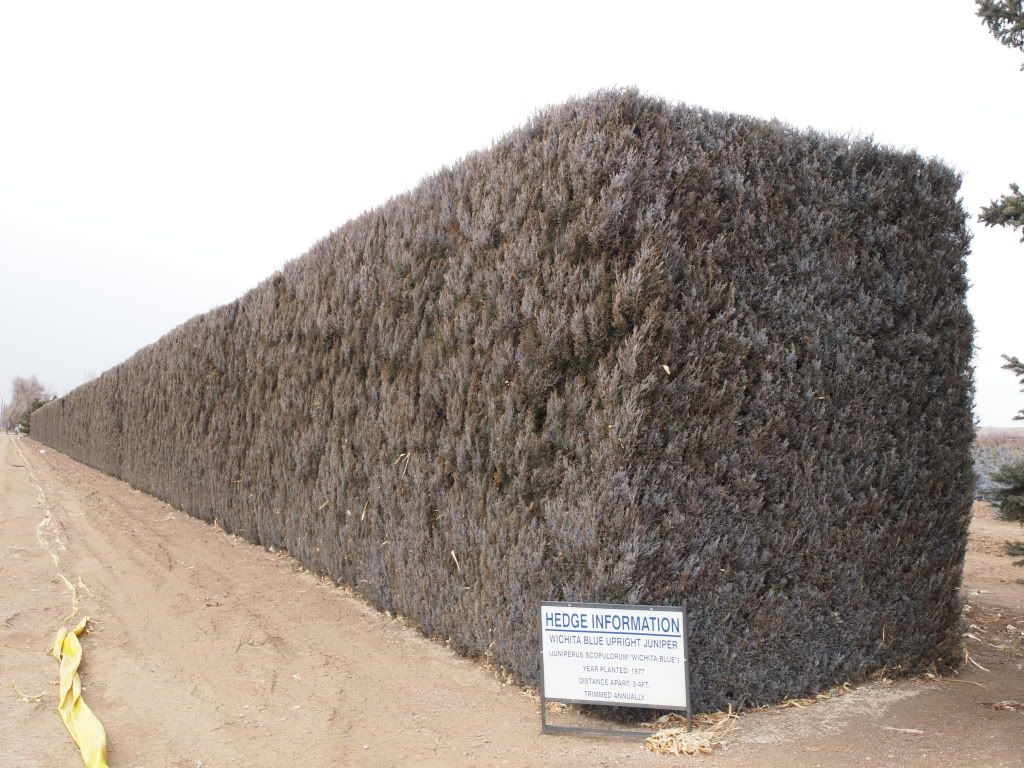
An awful application, but useful example, of a solid Juniper hedge.

PHYSICAL CHARACTERISTICS OF THIS PLANT
Size: these are average or common sizes; many specimens can get significantly taller under ideal conditions and with advanced age
  • Common Juniper (Juniperus communis) - 30 feet (9 meters) tall and 13 feet (4 meters) wide
  • Alligator Juniper (Juniperus deppeana) - 60 feet (18 meters) tall
  • Syrian Juniper (Juniperus drupacea) - 50 feet (15 meters) tall and 6 feet (2 meters) wide
  • Creeping Juniper (Juniperus horizontalis) - 3 feet (1 meter) tall and 9 feet (3 meters) wide
  • One-Seed Juniper (Juniperus monosperma) - 60 feet (18 meters) tall
  • Western Juniper (Juniperus occidentalis) - 60 feet (18 meters) tall
  • Rocky Mountain Juniper (Juniperus scopulorum) - 32 feet (10 meters) tall and 13 feet (4 meters) wide
  • Eastern Juniper or Eastern Redcedar (Juniperus virginiana): typically 16-66 feet (5-20 meters) tall and 26 feet (8 meters) wide, but can get to 90 feet (27 meters) tall

Roots: Juniperus species can grow deep root systems, often with a tap root. If a deep root system does develop, it will develop a shallower lateral root system as well.
Growth Rate: Slow to Medium

There are a variety of shapes and sizes of Junipers
(Juniperus virginiana)

GROWING CONDITIONS FOR THIS PLANT
Light: Prefers full sun
Shade: Some species tolerate light shade (J. communis) but most do not
Moisture: Medium soil moisture preferred, but these are very resistant to drought
pH: most species prefer fairly neutral to alkaline soil (6.1 - 8.0), but it can grow if very acidic to very alkaline soils.

Special Considerations for Growing:
It is likely that all species tolerates juglone (natural growth inhibitor produced by Black Walnut and its relatives). Consider using this tree as a buffer between your walnuts and other plantings.

Propagation:
Easily from seed. Seeds need about 6 months stratification for germination, which can be slow. Can be grown from cuttings taken in Spring. May develop roots from branches that are buried which can later be divided from the mother plant.

Maintenance:
Weeding around the plant is needed for the first few years in the slower growing species. After that, not much maintenance is needed.

Concerns:
  • Many species are very intolerant to fires... meaning they spread forest fires well. This also means it is a pretty good fuel wood.
  • Some people can have seasonal allergies to the pollen.
  • Some species can spread too easily from seeds (mainly by birds) and can become locally invasive.


Tuesday, November 13, 2012

Permaculture Plants: Blueberries

The Blueberry, one of the most perfect fruits!

Common Name: Blueberries
Scientific Name: Species in the Vaccinium genus and the Cyanococcus section
Family: Ericaceae (the Heather family)

There are so many species and varieties of blueberries available
Here is a patented variety of Southern Highbush Blueberry named Jewel.

Common Species:

  • Lowbush/Wild Blueberry (Vaccinium angustifolium)
  • Rabbiteye/Southern Black Blueberry (Vaccinium ashei or Vaccinium virgatum)
  • Northern/Alpine Blueberry (Vaccinium boreale)
  • Highbush Blueberry (Northern) (Vaccinium corymbosum)
  • Highbush Blueberry (Southern) (Vaccinium darrowii)
  • Creeping Blueberry (Vaccinium crassifolium)
  • Velvet Leaf/Canadian Blueberry (Vaccinium myrtilloides)


Kids love to help pick blueberries - a great way to get kids in Nature

Description:
The Blueberry is one of the most well known fruit around the world. It is highly nutritious, highly flavorful, and used in a variety of ways. Primarily used for its fruit, there are blueberries that can be grown in almost any Temperate Climate around the world. A little work is needed to get their acidic soil needs met, but after that we are left with a moderately long-lived, productive plant needing very little maintenance. Blueberries are on my list of mandatory plants in the Forest Garden.

Vaccinium corymbosum

History:
Native to North America, blueberries were used my Native Americans for thousands of years before Europeans took this plant around the world. The first cultivated blueberries (Highbush Blueberries) were introduced in Europe in the 1930’s.

Trivia:

  • The Bilberry, aka “European Blueberry” (Vaccinium myrtillus) is closely related to the North American blueberry species, but it is not in the Cyanococcus section of the Vaccinium genus, so they are not true blueberries. Bilberries have red flesh unlike the white or light green flesh of true blueberries.
  • “Huckleberry” refers to a plant that is either a true huckleberry in the Gaylussacia or Vaccinium genus like the Blue Huckleberry (G. frondosa) or Red Huckleberry (V. parvifolium). The name “Huckleberry” is often a local name given to plants, typically in the Appalacia area of Eastern North America, that are really true blueberries.
  • "Half-High" Blueberries are a cross between Highbush and Lowbush types. They are very tolerant of cold weather, but reportedly are not too flavorful.


Blueberry Tart... enough said!

USING THIS PLANT
Primary Uses:

  • Fresh Fruit
  • Cooked Fruit
  • Baked Goods, Pies, Tarts, Pancakes (!), etc.
  • Preserves, Jams, Jellies, etc.
  • Dried
  • Frozen (place washed and dried fruit in a single layer on a wax-paper lined baking sheet and place into the freezer for 20-30 minutes before placing in a container – this will keep the berries from freezing together into one large chunk)
  • Juiced
  • Used as primary or flavoring agent in beers, wine, liquors, cordials, etc.


The Creeping Blueberry (Vaccinium crassifolium) is a great, evergreen ground cover

Secondary Uses:

  • General insect (especially bees) nectar plant
  • Wildlife food source
  • Hummingbird plant
  • Ground cover plant (mainly the Lowbush Blueberry in cooler climates and the Creeping Blueberry in warmer climates)
  • Edible Hedging
  • Tea Plant – dried fruit and leaves
  • Dye Plant - purple, from fruit and leaves


Yield: 3-8 quarts (3.5-9 liters) or 8-15 lbs (3.5-6.8 kg) per mature plant
Harvesting: Late Summer – Early Autumn (July - September). The best fruits are ones that fall from the branch with a little shake. Most blueberries in grocery stores were harvested once the fruit turned blue (and sometimes not even quite blue!). Blueberries to not "ripen" after picked, so harvest the berries when they have been blue for a few days.
Storage: Fresh fruits will keep for 1, maybe 2, weeks in a cool, humid location

Lowbush/Wild Blueberry (Vaccinium angustifolium) is a small, cooler weather shrub

DESIGNING WITH THIS PLANT
USDA Hardiness Zone:

  • Lowbush/Wild Blueberry: 2-7 (Deciduous)
  • Rabbiteye Blueberry: 7-9 (Deciduous)
  • Highbush Blueberry (Northern): 2-8 (Deciduous)
  • Highbush Blueberry (Southern): 5-10 (Deciduous)
  • Creeping Blueberry: 6-9 (Evergreen)


AHS Heat Zone:

  • Lowbush/Wild Blueberry: 8-1
  • Rabbiteye Blueberry: 7-9, said to “love the heat”
  • Highbush Blueberry (Northern): 7-1
  • Highbush Blueberry (Southern): No reliable information available
  • Creeping Blueberry: No reliable information available


Chill Requirement:

  • Lowbush/Wild Blueberry: 1,000-1,200 hours
  • Rabbiteye Blueberry: 350-700 hours
  • Highbush Blueberry (Northern): 800-1,000 hours
  • Highbush Blueberry (Southern): 150-800 hours
  • Creeping Blueberry: No reliable information available


Blueberry bushes in Autumn... beautiful

Plant Type: Small Shrub (including prostrate forms) to Large Shrub
Leaf Type: Most are Deciduous, few are Evergreen
Forest Garden Use: Shrub Layer, Groundcover/Creeper Layer
Cultivars/Varieties: Wide variety of species and varieties available – there will be at least one type well suited to your location. Most blueberries available for purchase are hybrids of multiple species.

Pollination: Most are Self-Fertile; however, Blueberries will produce significantly more fruit if another cultivar/variety is in the immediate area. Pollinated by bees and other insects.
Flowering: Late Spring-Early Summer (May-June)

Life Span:
Years to Begin Bearing: 3-5 years
Years to Mature Bearing: 6-8 years
Years of Useful Life: Average 10-15 years, but some plants have been productive for over 50 years

Blueberry flowers attract beneficial insects, like this Mason Bee

PHYSICAL CHARACTERISTICS OF THIS PLANT
Size:

  • Lowbush/Wild Blueberry: 18-24 inches (45-60 cm) tall and 2-3 feet (60-90 cm) wide
  • Rabbiteye/Southern Black Blueberry: 6-18 feet (1.8-5.4 meters) tall and wide
  • Highbush Blueberry (Northern): 6-12 feet (1.8-3.6 meters) tall and wide
  • Highbush Blueberry (Southern): 3 feet (0.9 meters) tall and wide
  • Creeping Blueberry: 3-6 inches (7.5-15 cm) tall and spread up to 6 feet (1.8 meters) wide


Roots: Relatively shallow and flat. Most have a suckering or stoloniferous growth habit… sending up new plants from underground roots or putting down roots from creeping stems.
Growth Rate: Slow

Blueberries can be used as an edible hedge
Rabbiteye Blueberry (Vaccinium ashei or Vaccinium virgatum)

GROWING CONDITIONS FOR THIS PLANT
Light: Prefers full sun
Shade: Tolerates medium shade, but reducing sunlight also reduces yields
Moisture: Dry to moist soils, depending on the species/variety
pH: prefers more acidic soil (3.5-5.5)

Special Considerations for Growing:

  • The acidic soil the blueberries love can help be maintained with pine needle mulch if available
  • Blueberries can be early-, mid-, or late-season cropping which provides a longer harvesting season
  • Does not tolerate juglone (natural growth inhibitor produced by Black Walnut and its relatives).  Consider using another plant as a buffer between your blueberries and walnuts.


Propagation: From seed. Up to 90 days of cold stratification may be required. Cuttings are possible but take some skill - softwood cuttings in Summer. Division of suckers are easier and can be taken in Spring or Autumn.

Maintenance:

  • Minimal. 
  • Cut back the “twiggy” branches at planting to encourage good initial root development. 
  • Prune after 3 years or so to open up the plant; blueberries can develop into less productive, thicket-like shrubs if left un-pruned. 
  • Yearly pruning of older woody growth will encourage new growth and larger berries. Remember that berries grow on wood that is one year or older, so don’t get too carried away every year.
  • Netting may be required to protect the harvest from the birds
  • If the leaves start to yellow, then the plant likely needs more acid.


Concerns:
None.