Showing posts with label Patterns. Show all posts

Tuesday, April 24, 2012

Fractal Patterns in Nature

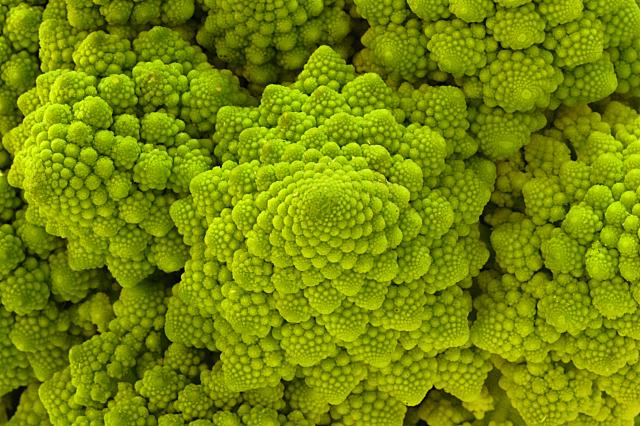
Romanesco Broccoli/Cauliflower may be my favorite example of fractal design.

Many design patterns in nature, previously described as "chaos" or "chaotic" are now understood to have design, sometimes very subtle yet strict mathematical design, known as fractals. Fractals are found all over nature, and you likely see them every single day without knowing it.

By strict definition (per Wikipedia) a fractal is:
"...a mathematical set that has a fractal dimension that usually exceeds its topological dimension and may fall between the integers. Fractals are typically self-similar patterns, where self-similar means they are "the same from near as from far". Fractals may be exactly the same at every scale, or they may be nearly the same at different scales. The definition of fractal goes beyond self-similarity per se to exclude trivial self-similarity and include the idea of a detailed pattern repeating itself."

Yeah, that's a mouthful!

To me, I know a fractal when I see it represented visually. Here is a classic image of a fractal called a Mandlebrot Set:

I am very interested in the forms of patterns in nature. Permaculture is about modeling nature, and fractals are one pattern found in many forms all over the natural world. Maybe these would be design motifs for a garden, an orchard, a wall, hedgerow, irrigation system, paddock system, or... who knows. But they are beautiful.

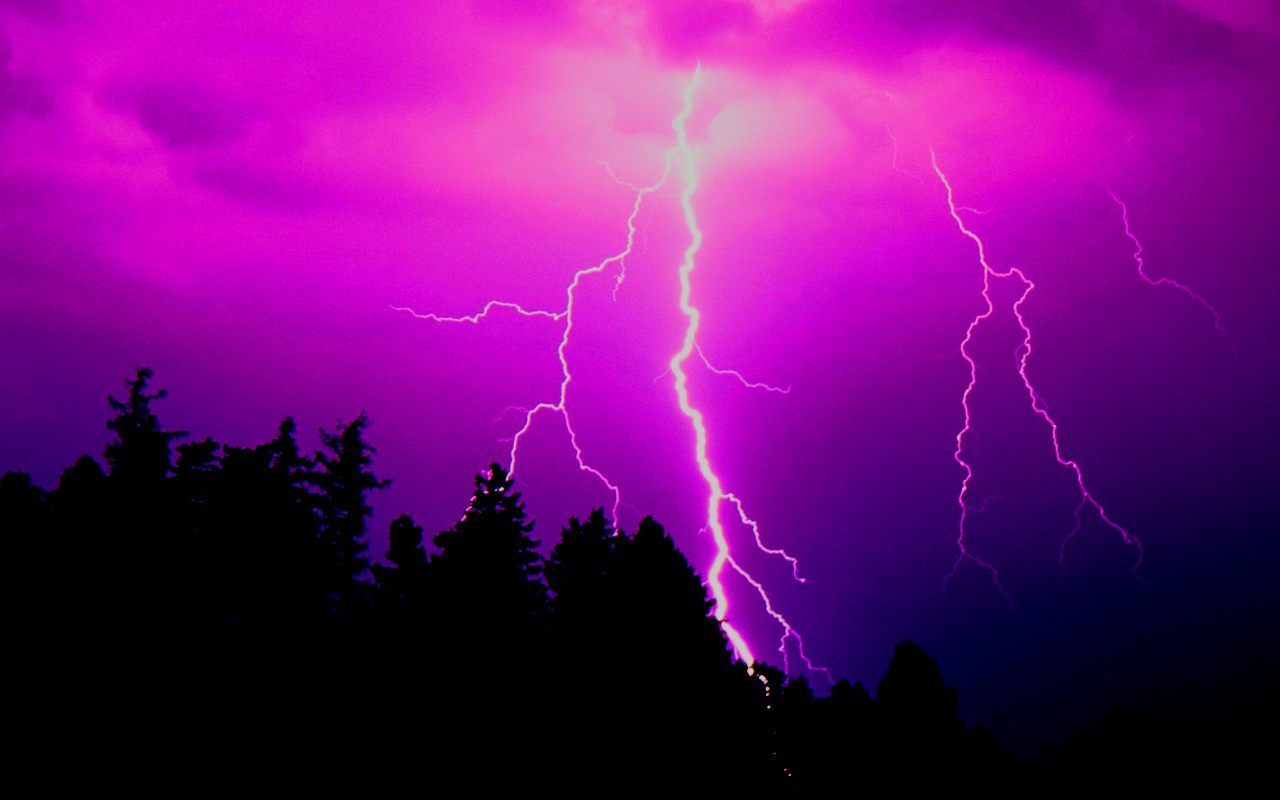
Lightning is a common fractal pattern.

River mouths and networks are fractals (Ganges River, India)

Yes, even clouds are patterned... fractals.

Mountains in Tibet.

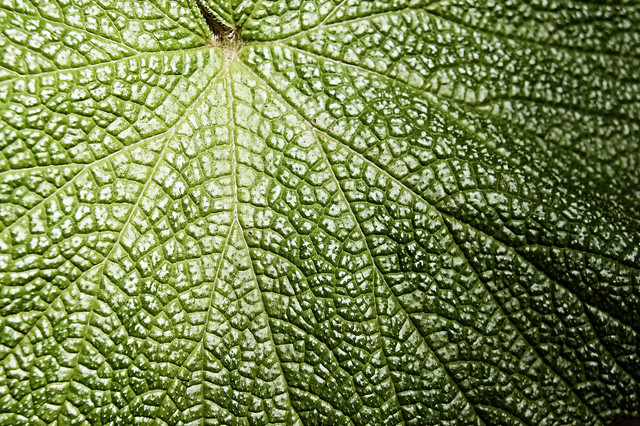
Fractal leaf design.
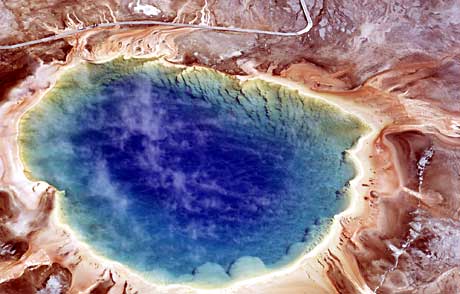
Grand Prismatic hydrothermal spring in Yellowstone National Park, USA.

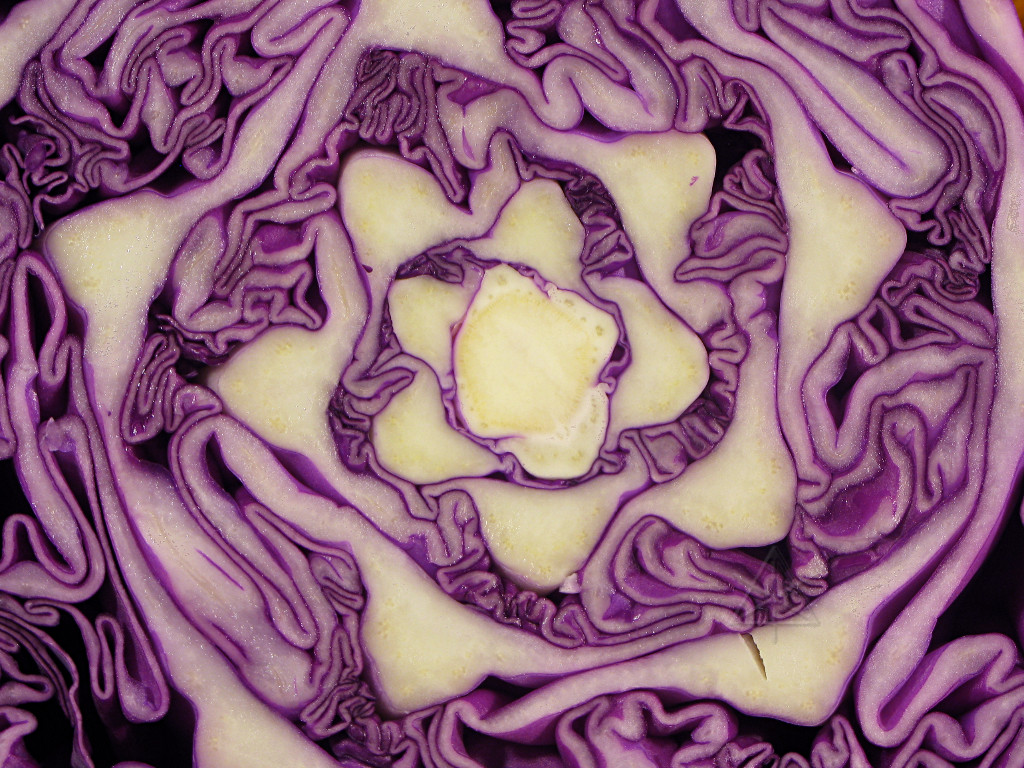
Cut red cabbage showing a fractal design.

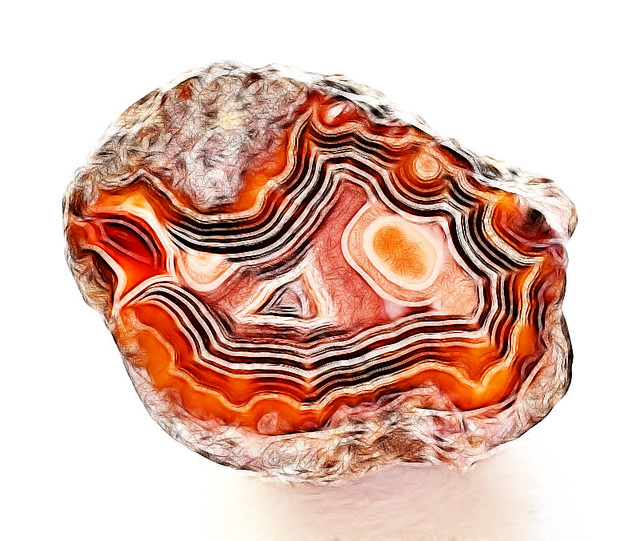
Fractal pattern found in Agate, a type of stone.

Yes, even Slime Mold follows fractal pattern design!

Wednesday, September 21, 2011

Spiral Patterns in Nature and in History


The Triskelion.


I have been intrigued by patterns since I was a child.  Maybe it was my artistic background.  Maybe it is why I became an artist in the first place.  Maybe it was my love of nature.  I'm not really sure.  I do know that there are patterns to everything.  Even the things that we think have no pattern are either collections of many smaller patterns or are fragments of larger patterns.

In the conceptual sense, there are patterns that are not seen but understood.  Patterns are then in literally everything from finance to geology to relationships to medicine.  It is the true genius that can see the larger pattern and understand it.  These are the people who are the trendsetters, the visionaries, the leaders in their field.  I don't claim to be one of these individuals by any means, but I can appreciate it.

I don't want to get too esoteric here today.  Suffice it to say that we are surrounded by patterns every day. Once you are keyed in to looking for patterns you will see them everywhere.

Now what in the world does this have to do with Permaculture?  Permaculture is all about design.  When we design, we use patterns.  Sometimes we don't realize we are using a pattern.  We may think we are just placing a path based on the way the land slopes.  In reality we are creating a pattern.

Today I am going to focus on spiral patterns.  These patterns would be amazing templates for gardens, orchards, forests, paths, waterways, anything you can think of.  Here are some of my favorite:

Variation of the Triquetra known as the Trinity Knot.

Variation of the Celtic Knot.

Variation of the Chi Rho.

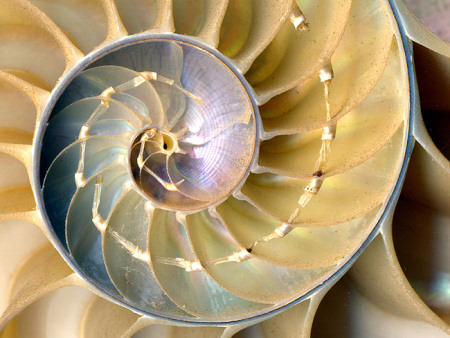
Nautilus Shell.

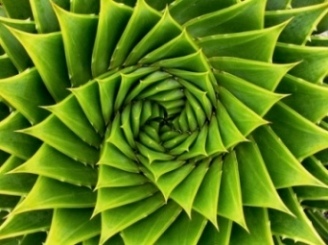
Spiral Aloe.

Millipede.

Sunflower.

Hurricane Isabel.

Romanesco Cauliflower.

A Fingerprint.

Labyrinth at Barvaux (Duruy), Belgium

The Herb Spiral.